What are proteins?
Proteins are one of the three main things that give us energy, along with fats and carbs. But they do a lot more than that! Proteins help build and maintain our bodies, like our muscles and organs, and they also help control how our bodies work.
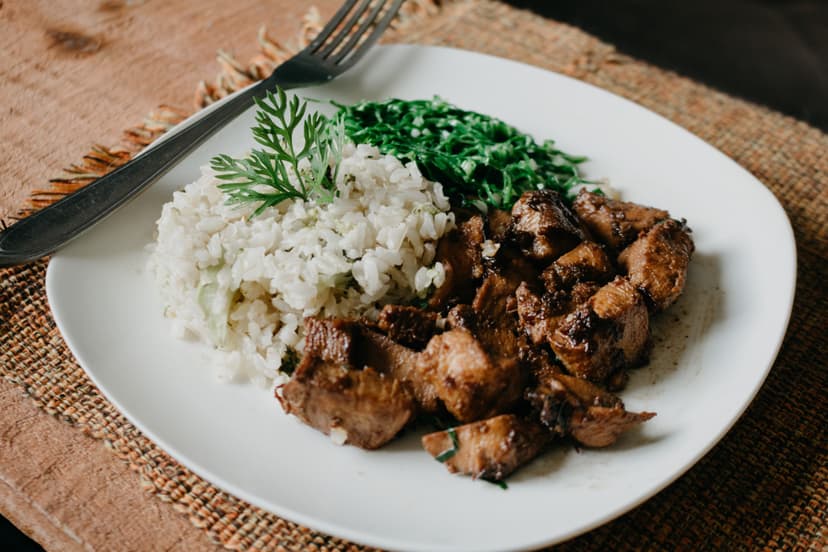
Proteins are made up of things called amino acids, which are like building blocks. Some amino acids are made by our bodies, but we have to get others from the foods we eat. Foods that have all the important amino acids are called complete proteins, and they can come from animals like meat and eggs, or from plants like soybeans and quinoa.
There are different types of proteins that do different jobs in our bodies. Some help us fight off germs, others help break down the food we eat, and some even help our cells communicate with each other!
Since proteins are so important for keeping our bodies healthy, it's really important to eat enough foods with protein in them.

Why are proteins important?
Proteins are found in many different parts of our body, like our muscles, bones, and blood. They play an important role in building and repairing muscle tissue, helping our bones stay strong, and even transporting oxygen throughout our body.
But that's not all! Proteins also support our immune system by producing antibodies that help fight off harmful bacteria and viruses. And did you know that our DNA, which contains our genetic instructions, is also made up of proteins?
It's important to eat enough protein every day to maintain optimal health and wellness. If we don't get enough protein, our body may start breaking down our muscle tissue to compensate for the deficit. This can lead to a loss of muscle mass, which can have negative impacts on our overall health and fitness.
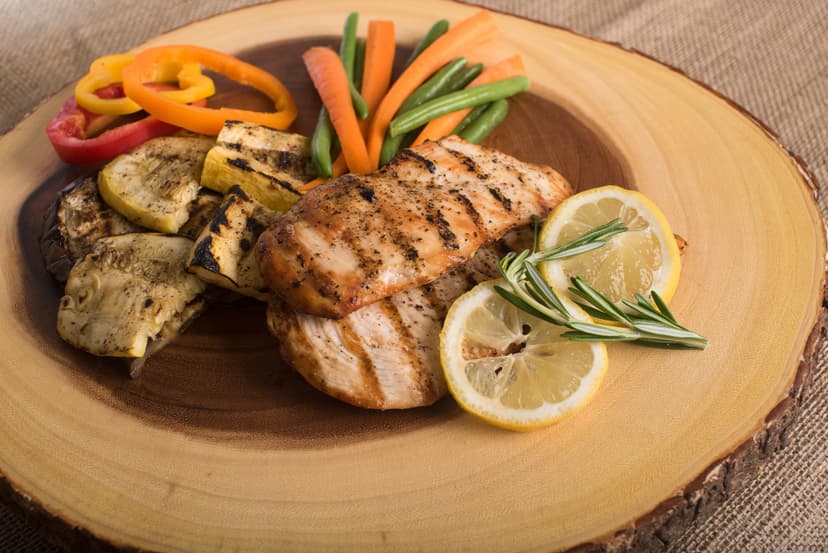
To ensure that you're getting enough protein in your diet, try incorporating foods like chicken, fish, beans, nuts, and eggs. And if you're looking to build muscle, consider adding protein supplements like whey protein to your diet.


Benefits of eating high protein
One of the primary advantages of a high protein diet is its ability to reduce appetite and cravings, which can help prevent overeating and promote weight loss. This is because protein is more satiating than carbohydrates or fats, which means it keeps you feeling full for longer periods.
Moreover, a high protein diet has been shown to improve body composition by increasing muscle mass while reducing body fat. This is especially beneficial for individuals who are looking to lose weight, as a higher muscle mass can increase the body's metabolic rate and burn more calories at rest.
Another advantage of a high protein diet is that protein is less likely to be stored as body fat when you overeat compared to carbohydrates or fats. This means that even if you consume more calories than you need, a higher protein intake can help minimize the risk of gaining excess body fat.
In addition to weight loss benefits, a high protein diet may also have other health benefits, such as improving bone health, lowering blood pressure, and reducing the risk of certain chronic diseases such as diabetes and heart disease.
Best high protein foods
Protein is an essential nutrient that our bodies need for muscle growth, repair, and maintenance. While animal products like meat, fish, and dairy are some of the best sources of protein, there are plenty of plant-based options too.
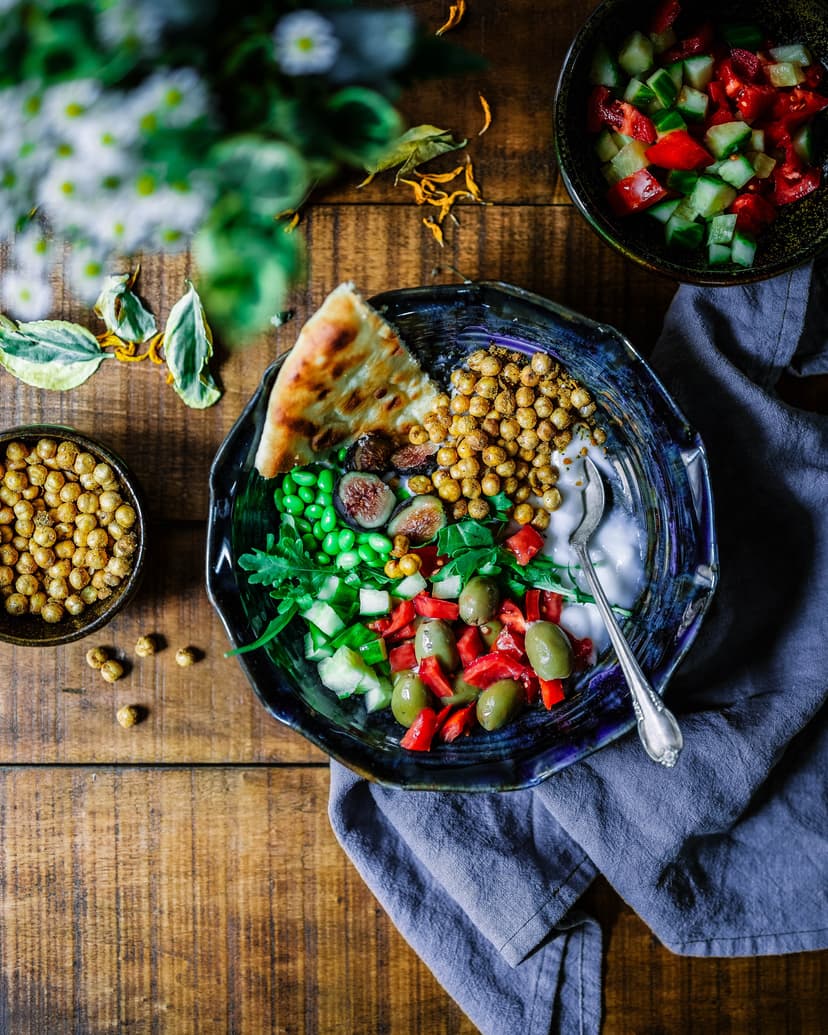
If you're following a vegan or vegetarian diet, it's important to know that you can still get plenty of protein without eating animal products. Good plant-based protein sources include beans, lentils, whole grains, nuts, and seeds, along with meat alternatives like tofu and Beyond Meat.
The challenge with plant-based proteins is that they often come with other nutrients like fat or carbohydrates, which can make it harder to get the right balance of macronutrients. But with a little bit of planning, you can easily meet your daily protein needs while following a vegan or vegetarian diet.
If you're having trouble getting enough protein from food alone, protein powders can help. Whey protein is the most common type, but there are also plenty of plant-based options available. You can mix protein powder into a shake or add it to foods like oatmeal, yogurt, or baked goods for an extra protein boost.