| Category | BMI range - kg/m² |
|---|---|
| Severe Thinness | < 16 |
| Moderate Thinness | 16 - 17 |
| Mild Thinness | 17 - 18.5 |
| Normal Weight | 18.5 - 25 |
| Overweight | 25 - 30 |
| Obese Class I | 30 - 35 |
| Obese Class II | 35 - 40 |
| Obese Class III | > 40 |

What is BMI?
BM is used to determine whether a person has a healthy body weight based on their height and weight. BMI is used to categorize people as underweight, normal weight, overweight, or obese, and can indicate whether additional testing or action is required to maintain a healthy weight. The categories of BMI vary based on factors such as region and age.
In addition to BMI, there are other factors that can affect a person's health and wellbeing, such as diet, exercise, and genetics. Therefore, it is important to consult with a healthcare professional for personalized advice on maintaining a healthy lifestyle.

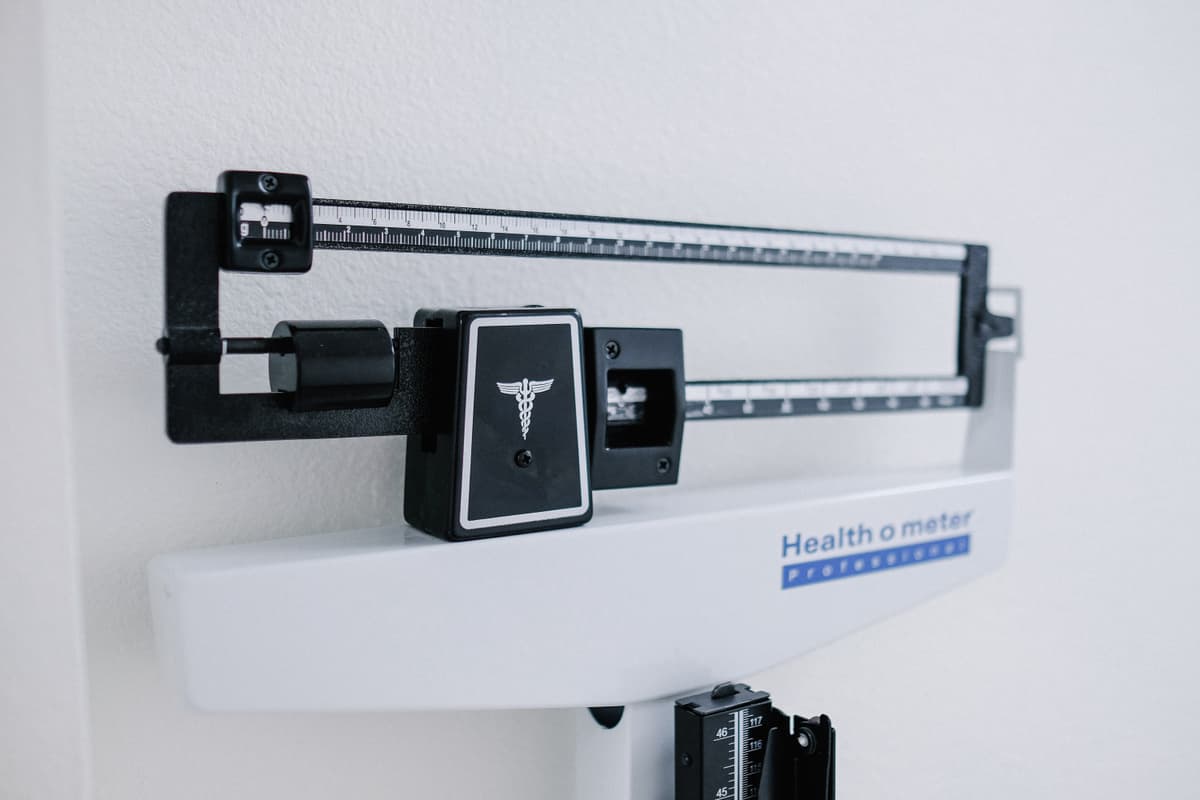
Risks associated with being overweight
Carrying excess weight increases the chance of developing a variety of severe medical conditions and health issues. The Centers for Disease Control and Prevention (CDC) has compiled a list of these risks, which include:
- Hypertension
- Elevated levels of "bad" cholesterol (LDL) and low levels of "good" cholesterol (HDL)
- High levels of triglycerides
- Type II diabetes
- Coronary heart disease
- Stroke
- Gallbladder disease
- Osteoarthritis
- Breathing difficulties
- Certain types of cancer (endometrial, breast, colon, kidney, liver, and gallbladder)
- A diminished quality of life
- Mental health problems like depression and anxiety
- Chronic pain
- An increased risk of mortality when compared to those with a healthy body mass index (BMI)
In general, it is recommended that individuals keep their BMI below 25 kg/m2, but it is advisable to seek medical advice to determine if any lifestyle modifications are necessary to improve overall health.
Learn more